
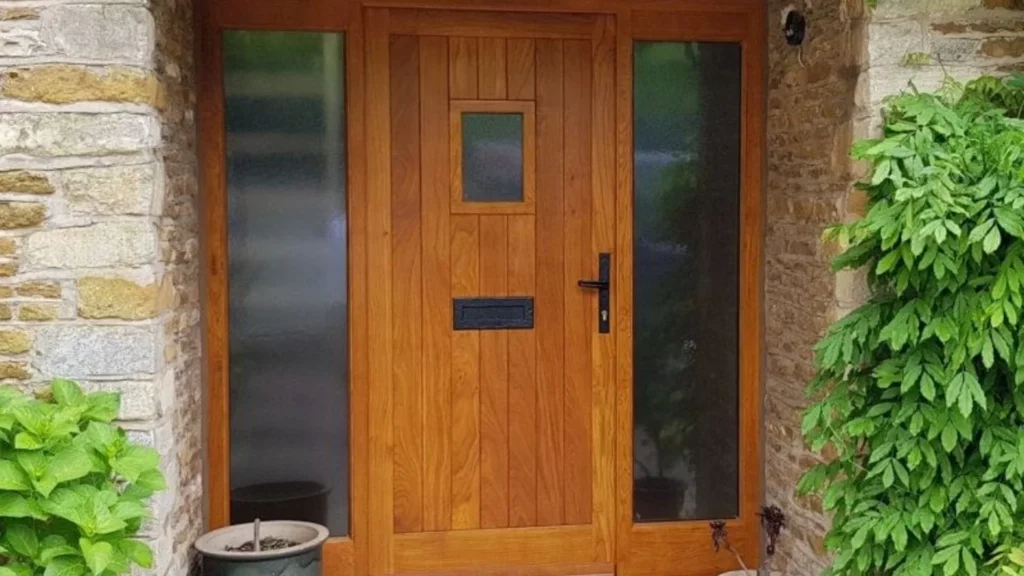

A front door can look fantastic in a showroom and become a headache six months after installation. The finish starts peeling, the timber swells after heavy rain, or a gap appears that lets cold air creep into the hallway.
Australian weather can be particularly tough on external doors. Between scorching summer afternoons, coastal humidity, sudden downpours and chilly winter mornings, your entrance has plenty to deal with.
The good news? Most of these problems are avoidable. Choosing the right materials, understanding your home’s exposure and getting the installation right can make a huge difference.
Why Australian Weather Is Tough on Front Doors
Australia doesn’t have one consistent climate. A door installed in coastal Queensland faces different challenges from one fitted to a Melbourne townhouse or a home in regional New South Wales.
Temperature changes are a major concern. External doors exposed to direct sunlight can become considerably hotter than the surrounding air. As temperatures fluctuate, materials expand and contract.
Moisture creates another problem. Timber naturally absorbs and releases moisture depending on environmental conditions. Without proper protection, excessive movement can cause swelling, sticking or cracking.
Then there’s ultraviolet radiation. Strong sunlight gradually breaks down unsuitable finishes, leaving once-attractive surfaces faded and weathered.
A well-chosen door needs to handle the conditions at its particular entrance, rather than simply looking attractive in a catalogue.
The Mistake of Choosing Appearance Before Material
It’s tempting to choose a front door based entirely on its design. After all, it’s one of the first things visitors notice.
But appearance should come after understanding how the material performs.
Solid timber doors
Timber remains popular because of its natural character and flexibility in design. It suits everything from traditional weatherboard cottages to contemporary homes.
However, timber requires appropriate finishing and maintenance. An exposed timber door without suitable protection may deteriorate faster than expected.
Engineered timber doors
Engineered construction can offer improved dimensional stability compared with some solid timber designs, depending on the product.
These doors use manufactured components designed to reduce certain types of movement. Their suitability for exposed locations still depends on the manufacturer’s specifications.
Doors with glass panels
Glazed entrance doors allow natural light into otherwise dark hallways.
The trade-off is that glass selection matters. Depending on its specifications, glazing can affect heat transfer, privacy and security.
When exploring premium front doors in Australia, compare construction, glazing options and exposure ratings alongside the appearance of each design.
A beautiful door isn’t much use if it wasn’t made for the conditions outside your home.
How Direct Sunlight Can Damage an Entrance Door
Imagine a dark-stained timber door facing west. Every summer afternoon, it receives hours of intense sunlight.
That exposure can gradually affect the finish and contribute to temperature-related movement.
Darker colours generally absorb more solar radiation than lighter finishes, making colour choice relevant for exposed entrances.
This doesn’t mean you must avoid dark doors. It means checking whether the chosen product and coating are suitable for that exposure.
A covered porch can also make a noticeable difference.
Even a modest awning may reduce direct rain and sun exposure, helping protect the surface underneath.
Before committing to a door, spend a moment observing the entrance throughout the day. You might discover that the afternoon sun is a bigger issue than you originally expected.
Why Moisture Protection Matters More Than You Think
Rain rarely attacks an external door evenly.
Water often collects around the bottom edge, joints and areas where the protective coating has worn away.
One commonly overlooked area is the underside of a timber door.
Homeowners sometimes paint the visible faces beautifully while leaving the top and bottom edges inadequately sealed.
Moisture can then enter through these vulnerable surfaces.
For timber products, follow the manufacturer’s finishing instructions, including requirements for sealing all edges and any cut surfaces.
Also check the surrounding doorway.
Poor drainage, an incorrectly fitted threshold or damaged weather seals can allow water to reach areas that should remain protected.
Replacing a door without correcting these problems may simply repeat the damage.
The Importance of Getting the Door Size Right
A few millimetres might not sound significant, but door measurements affect how smoothly an entrance operates.
An incorrectly sized door can scrape against the frame, leave excessive gaps or prevent the locking hardware from lining up properly.
Before ordering, check the dimensions of the existing opening and determine whether you’re replacing the door leaf alone or the entire door assembly.
Don’t assume the existing frame is perfectly square.
Older homes can settle over time, leaving frames slightly distorted.
A qualified installer can assess the opening and determine the adjustments required.
For entrances exposed to rain, proper clearances and weather seals are particularly important. The door needs enough room to operate correctly while still maintaining protection against draughts and water.
When a Glazed Front Door Makes Sense
A solid entrance door offers privacy, but it can leave a hallway feeling dark.
Adding glass panels provides an alternative without requiring a completely different entrance layout.
The key is choosing suitable glazing.
Frosted or translucent glass can bring in daylight while limiting direct views into the home.
Clear glass works well where the entrance overlooks a private garden or sheltered courtyard.
For homes exposed to strong sunlight, glazing with suitable thermal properties may help manage heat gain.
Safety glazing requirements also need consideration, particularly for glass installed in doors and surrounding panels.
Rather than choosing glass purely for its decorative pattern, think about what happens inside the hallway during different parts of the day.
Don’t Overlook Security and Hardware
An attractive front door still needs dependable locking hardware.
The lock, hinges, frame and surrounding structure all contribute to entrance security.
A strong door fitted into a weak or damaged frame may not provide the protection you expect.
Door weight matters too. Large solid timber doors, for example, need appropriately rated hinges and fixings.
If you’re considering a pivot door, check the installation requirements carefully. Its hardware and operating clearances differ from those of a conventional hinged door.
Security screens may also be useful where homeowners want additional ventilation without leaving the entrance completely open.
Whatever style you choose, make sure the complete door assembly suits its intended purpose.
Maintenance That Helps Front Doors Last Longer
Even a suitable external door benefits from occasional attention.
Fortunately, maintenance doesn’t need to become a major weekend project.
Inspect the finish regularly, particularly along exposed edges and near the bottom.
Look for peeling coatings, hairline cracks or areas where water appears to collect.
Clean the surface using products recommended for its material and finish. Harsh chemicals or abrasive cleaning tools can damage protective coatings.
Check hinges, locks and weather seals as well.
If a door suddenly starts sticking, investigate rather than immediately cutting or sanding it. Moisture movement or a loose hinge may be responsible.
Small repairs made early are generally easier than dealing with extensive deterioration later.
Choosing a Door That Works for Your Home
The right front door should suit both the architecture of your home and the conditions it faces.
A sheltered entrance might accommodate materials and finishes that would require considerably more care in an exposed coastal setting.
Think about sunlight, rainfall, privacy, maintenance and installation before settling on a design.
Ask suppliers about product limitations, finishing requirements and warranty conditions. Check any applicable building requirements, especially in bushfire-prone areas.
Most importantly, remember that a front door is something you’ll use every day.
Choose one that opens smoothly, protects the entrance and still looks good after years of ordinary use. A little planning before installation can save plenty of frustration down the track.