
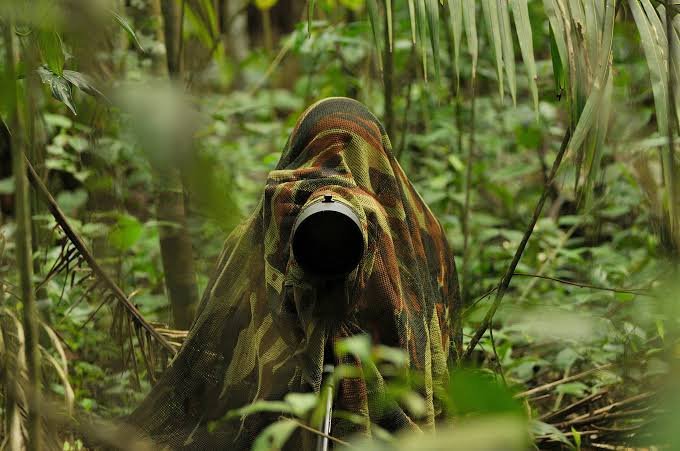

Capturing wild animals on camera takes much more than a fancy digital lens. It demands hours of quiet waiting in damp blinds, hike after hike through rugged brush and an understanding of animal habits. When you finally spot a red fox or a rare raptor against the morning fog, your gear needs to work without hesitation. It is a slow, physically demanding hobby, but watching untouched nature unfold through a clean viewfinder makes every cold sunrise completely worth it.
Selecting Essential Telephoto Lenses for the Field
Getting close to wild creatures without scaring them away requires serious optical reach. Most birds and woodland mammals will bolt if you step within fifty yards, meaning a quality telephoto lens is mandatory. Modern camera makers offer versatile zoom lenses that balance sharpness with hand-held weight, allowing you to react quickly when an animal darts into a clearing. Spending a relaxing evening browsing an entertaining online platform like LuckyRollers provides a colorful, easy-going distraction while your camera batteries recharge for the next dawn shoot.
Field photographers rely on a few trusted lens setups depending on their target species:
- Variable Super-Telephoto Zooms (100–400mm or 150–600mm): Versatile lenses that let you frame large running mammals or zoom in close on perching songbirds without changing gear.
- Fixed Focal-Length Primes (400mm, 500mm or 600mm): High-end lenses with wide apertures that pull in extra morning light and blur out messy brush backgrounds.
- Matched 1.4x Teleconverters: Lightweight optical glass tubes that mount between your camera body and lens to stretch your reach by 40%.
Comparing Popular Wildlife Telephoto Options
Before buying long lenses, it helps to compare optical focal range, maximum aperture values, physical weight and retail cost. Carrying a lens through the woods all day feels very different from testing it inside a camera shop:
| Lens Model | Focal Range | Maximum Aperture | Approx. Weight | Typical Price (USD) | Primary Target Subject |
| Canon RF 100–400mm IS USM | 100–400mm | f/5.6–8.0 | 635 g (1.4 lbs) | $650 | Day hikes & larger wildlife |
| Sigma 150–600mm Contemporary | 150–600mm | f/5.0–6.3 | 1,930 g (4.2 lbs) | $900 – $1,100 | General birding & distant deer |
| Sony FE 200–600mm G OSS | 200–600mm | f/5.6–6.3 | 2,115 g (4.6 lbs) | $1,900 | Coastal shorebirds & wetland fauna |
| Nikon Z 180–600mm VR | 180–600mm | f/5.6–6.3 | 2,140 g (4.7 lbs) | $1,700 | Mountain wildlife & raptors in flight |
Unwinding After Long Cold Sessions in Nature
Spending ten hours waiting in a freezing rain hide can leave your fingers stiff and your brain tired. Once the sun drops behind the trees, packing up your heavy kit and heading back to a warm wood-stove cabin brings welcome relief. After backing up your camera memory cards to an external hard drive, having a simple way to relax by the fire is a great comfort.
Four Practical Rules for Safe Wildlife Encounters
Getting incredible photos should never come at the expense of an animal’s safety or your own:
- Watch the Wind Direction: Always hike downwind of animals so your personal scent does not blow toward them and spook them off.
- Never Bait Wild Predators: Using food to lure foxes, bears or owls ruins their natural hunting instincts and puts future hikers in danger.
- Use a Silent Electronic Shutter: Turn off loud mechanical shutter clicks on your digital camera to avoid startling skittish woodland birds.
- Wear Camouflage That Matches Foliage: Avoid bright blues and whites; earthy greens, browns and muted grays keep you blending into the background.
Embracing the Quiet Reward of the Outdoors
Wildlife photography is a masterclass in patience. You will experience days where freezing rain soaks your coat and not a single deer crosses your path. Yet when everything lines up—the morning light breaks through the pine branches and a wild owl lands right on your chosen perch—the long hours of waiting disappear. With dependable camera gear, respect for wild habitats and honest dedication, capturing nature through your lens becomes one of life’s richest adventures.