
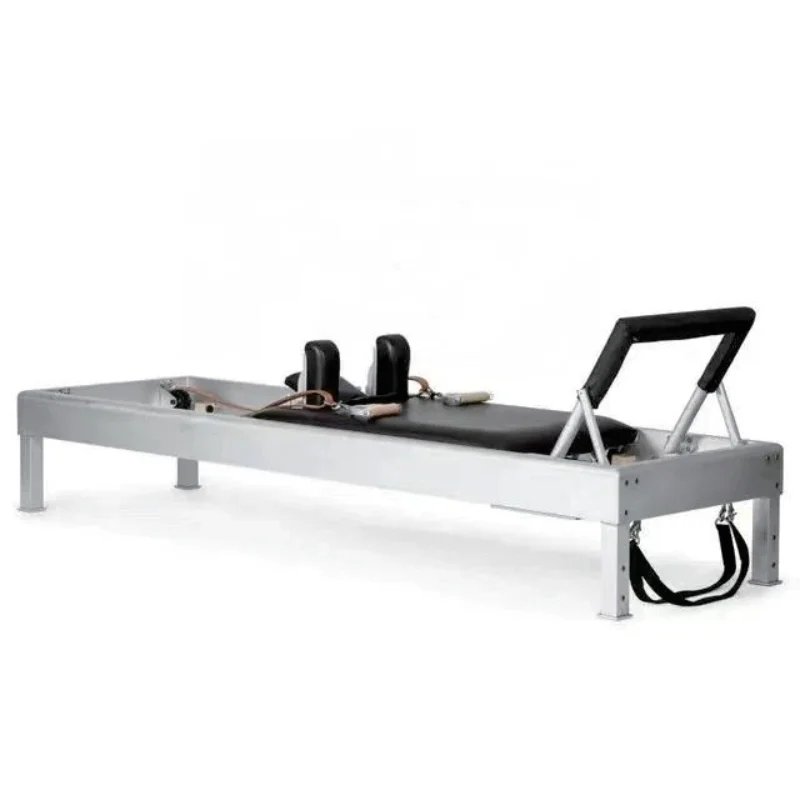

Investing in professional Pilates equipment is a significant decision for any Pilates studio. Whether you are opening a new studio, expanding your class schedule, or upgrading existing equipment, understanding how long your reformers can last is essential for managing operating costs and maintaining a consistent training experience.
A professional Pilates reformer is designed to handle repeated use, adjustable resistance, and a wide range of exercises. However, its actual service life depends on several factors, including frame construction, material quality, spring performance, maintenance habits, and daily training volume.
Unlike a home-use machine, a Pilates reformer for studio environments may be used by multiple clients throughout the day. This means that components such as springs, ropes, wheels, and upholstery can experience more frequent wear.
So, how long can a professional Pilates reformer last? What affects its durability, and how can studio owners extend its service life?
This guide explains the key factors that influence reformer longevity, practical maintenance routines, warning signs of equipment deterioration, and when repair or replacement may be necessary.
How Long Does a Professional Pilates Reformer Typically Last?
There is no universal lifespan for every professional Pilates reformer machine. A well-constructed reformer with proper maintenance may remain in service for many years, while individual components may require replacement much sooner.
The frame, springs, carriage, ropes, and upholstery do not necessarily wear out at the same rate. For this reason, studio owners should evaluate the condition of each component rather than assuming that the entire machine needs replacement when one part shows signs of wear.
Average Lifespan of Wooden Pilates Reformers
Wooden Pilates reformers are widely used in traditional and contemporary Pilates studios. Common frame materials include maple, oak, and other hardwoods selected for their strength and structural characteristics.
A properly constructed wooden reformer can provide long-term service when it is kept in a suitable indoor environment and maintained regularly.
However, wood can respond to changes in temperature and humidity. Excessive moisture, poor storage conditions, or repeated exposure to unsuitable environments may contribute to swelling, cracking, or changes in structural stability.
For studio owners, it is important to check frame joints, connection points, and the condition of the wood periodically. Surface scratches are generally cosmetic, but cracks around load-bearing areas deserve closer attention.
Average Lifespan of Aluminum Pilates Reformers
Aluminum Pilates reformers are another popular option for professional studios, particularly those looking for a modern appearance and a relatively lightweight frame.
Aluminum is resistant to rust under normal indoor conditions and generally requires less attention to moisture-related issues than many wood products. Its strength-to-weight characteristics also make it suitable for equipment that needs to be moved or repositioned.
However, not all aluminum reformers offer the same durability. Frame thickness, alloy selection, connection design, rail construction, and manufacturing quality all influence overall performance.
A professional aluminum reformer should maintain a stable frame and smooth carriage movement under normal operating conditions. Regular inspections are still necessary to identify loose connections, worn wheels, or damaged accessories.
Factors That Influence Equipment Longevity
Several factors determine how long a reformer remains suitable for professional use:
Construction quality: Frame materials, welding, joints, and structural design affect long-term stability.
Component quality: Springs, ropes, pulleys, wheels, and upholstery experience different types of wear.
Training frequency: A reformer used in multiple classes every day will generally experience more wear than one used occasionally.
Maintenance practices: Regular cleaning and inspection help identify small problems before they become more serious.
Operating environment: Temperature, humidity, dust, and storage conditions can influence equipment condition.
The important point is that a reformer’s service life is not determined by its frame material alone. Its overall design and the maintenance it receives are equally important considerations.
What Factors Affect the Durability of Professional Pilates Reformers?
When evaluating a professional Pilates reformer, studio owners should look beyond its appearance. A machine may look attractive in a showroom, but its internal construction and moving components determine how well it performs during daily studio operations.
Frame Materials and Structural Design
The frame provides the foundation for the entire reformer. It must support the user’s weight and withstand repeated movement, spring resistance, and changes in exercise position.
Wooden frames offer a traditional appearance and a solid training platform. Aluminum frames provide a different combination of weight, rigidity, and maintenance characteristics.
Regardless of the material, several structural details deserve attention:
Frame thickness and overall construction.
Quality of joints, fasteners, and connection points.
Stability of the legs and supporting structure.
Precision of the carriage rails.
Resistance to movement or wobbling during exercise.
For a busy Pilates studio, structural stability is especially important because equipment is used by clients with different body weights, experience levels, and exercise requirements.
Spring Quality and Resistance Performance
Springs are among the most important components of a Pilates reformer. They provide adjustable resistance and support throughout different movements.
Over time, repeated stretching and contraction can contribute to metal fatigue. Springs may gradually lose their original characteristics or develop visible signs of damage.
When inspecting springs, look for:
Visible gaps or deformation between coils.
Corrosion or damaged surface finishes.
Unusual sounds during stretching or release.
Changes in resistance compared with normal performance.
Damaged hooks or connection points.
A spring that shows signs of damage should be removed from service and replaced according to the manufacturer’s recommendations.
Studio owners should also keep track of spring replacement dates. This makes it easier to monitor component condition and maintain consistent resistance across multiple reformers.
Carriage, Wheels, and Track Construction
The carriage system directly affects the user’s training experience.
A professional reformer should allow the carriage to move smoothly along its tracks without excessive noise, shaking, or resistance.
Several components work together to achieve this:
Carriage: Provides the moving platform for the user.
Wheels or rollers: Support carriage movement.
Tracks or rails: Guide the carriage along a controlled path.
Bearings: Help maintain smooth movement and reduce friction.
Dust, hair, and other debris can accumulate around wheels and tracks. If these materials are not removed, carriage movement may become noisy or uneven.
The quality of the wheel bearings and the precision of the track system also influence how consistently the machine performs.
Frequency of Commercial Use
Daily usage is one of the most important differences between home equipment and a professional Pilates reformer machine.
Consider two examples:
A private Pilates instructor uses a reformer for three or four individual sessions each day. Another studio operates group classes throughout the day, with several clients using each machine during consecutive sessions.
Although both studios may purchase similar equipment, the second studio places substantially more repeated demands on its springs, ropes, carriage, and upholstery.
This does not automatically mean that high-use equipment will fail quickly. It does mean that studios with heavier schedules should establish more frequent inspection routines and maintain spare replacement components.
How Do You Maintain a Professional Pilates Reformer?
Proper maintenance helps protect your equipment investment, maintain a consistent training experience, and reduce unexpected downtime.
The best approach is to establish a simple routine that instructors and studio staff can follow without disrupting normal class operations.
How to Clean the Upholstery and Frame
Upholstery comes into direct contact with clients during every training session. Sweat, body oils, and dust can gradually affect its appearance and condition.
After each session:
Wipe the carriage pad, headrest, shoulder rests, and footbar with a soft cloth.
Use a mild, non-abrasive cleaning solution compatible with the manufacturer’s upholstery.
Avoid harsh chemicals that may dry out or damage the surface.
Dry the cleaned areas thoroughly.
Check for small tears, loose stitching, or damaged upholstery.
The frame can generally be cleaned with a soft cloth and an appropriate mild cleaner. Avoid excessive moisture, especially around wooden joints and metal connections.
How to Inspect Springs and Ropes
Springs and ropes are essential safety-related components and should never be overlooked.
Inspect springs for deformation, corrosion, unusual gaps, and changes in resistance. Check ropes for fraying, loose stitching, and signs of stretching.
Handles and loops should also be checked for secure attachment.
Balanced Body’s equipment maintenance guidance recommends regular spring inspections and routine checks of connection hardware. Its maintenance schedule also includes periodic inspections of ropes, straps, spring hooks, and other reformer components.
If a spring, rope, or attachment shows visible damage, stop using the affected component until it has been properly assessed and replaced.
How to Maintain Wheels and Sliding Tracks
A smooth carriage movement is important for both exercise control and user comfort.
To maintain the sliding system:
Remove dust, hair, and debris from the tracks.
Clean the wheels according to the equipment manufacturer’s instructions.
Check for unusual sounds or uneven movement.
Inspect the wheel assembly for visible wear or looseness.
Avoid applying lubricants unless the manufacturer specifically recommends them.
One important detail: lubrication requirements differ between reformer designs. Some manufacturers advise against lubricating rails and carriage wheels because oil or grease may attract dust or affect component performance.
Always follow the maintenance instructions for your particular model rather than applying a universal cleaning method.
How Often Should You Inspect Reformer Equipment?
A consistent maintenance schedule is more effective than waiting until a problem becomes noticeable.
The following table provides a practical starting point for studio operators. Adjust the schedule according to the manufacturer’s manual, class volume, and equipment condition.
| Inspection Frequency | Recommended Maintenance Tasks |
| After each use | Clean upholstery and check for obvious damage |
| Daily | Check carriage movement, footbar locking, and visible connection issues |
| Weekly | Inspect springs, ropes, handles, and straps |
| Monthly | Check bolts, fasteners, frame stability, and attachment points |
| Quarterly | Perform a more detailed inspection of wheels, tracks, pulleys, and structural components |
| As recommended by the manufacturer | Replace springs and other components according to their service guidelines |
For studios with intensive daily schedules, additional inspections may be appropriate.
It is also useful to maintain a maintenance log for each machine. Record inspection dates, replacement parts, repairs, and any unusual performance changes. This helps instructors and managers identify recurring issues before they affect studio operations.
What Are the Signs That Your Pilates Reformer Needs Repair or Replacement?
A reformer does not always need to be replaced when one component becomes worn. In many cases, replacing a spring, rope, wheel, or upholstery section can restore normal operation.
However, some warning signs indicate that a more comprehensive inspection is necessary.
Unusual Noise or Uneven Carriage Movement
A healthy carriage should move smoothly and consistently.
If you notice grinding, clicking, excessive friction, or uneven movement, inspect the tracks, wheels, bearings, and carriage alignment.
Sometimes the cause is simply accumulated debris. In other cases, worn bearings or damaged components may require professional attention.
Do not continue using a machine if the carriage becomes unstable or its movement creates a safety concern.
Worn Springs, Ropes, and Upholstery
Look for visible signs of deterioration, including:
Springs with gaps, kinks, corrosion, or deformation.
Ropes with frayed sections or damaged stitching.
Loose or damaged handles and loops.
Torn upholstery or exposed internal padding.
Worn attachment points or damaged hooks.
These components should be repaired or replaced when necessary.
In particular, damaged springs and ropes should not remain in service simply because the equipment still appears functional.
Frame Instability and Structural Damage
Frame-related problems require special attention.
Warning signs include loose joints, cracked wood, damaged welds, bent structural parts, and persistent wobbling during normal use.
If the problem affects a load-bearing area or the stability of the machine, stop using the reformer until it has been inspected by a qualified technician or the manufacturer.
When structural damage is extensive, replacement may be more practical than repeated repairs.
How Can You Extend the Service Life of Commercial Pilates Reformers?
Extending the service life of commercial equipment requires more than occasional cleaning. Studio owners should combine appropriate purchasing decisions, consistent maintenance, and timely component replacement.
Follow Manufacturer Maintenance Guidelines
Every reformer has its own construction details and maintenance requirements.
For example, different wheel systems may require different cleaning procedures, and spring replacement recommendations can vary by manufacturer and usage intensity.
Keep the original user manual available to instructors and maintenance staff. Make sure everyone understands how to adjust the footbar, attach accessories, inspect springs, and identify potential safety issues.
Consistent operating procedures can reduce unnecessary wear caused by incorrect adjustments or handling.
Replace Worn Accessories When Necessary
Accessories are exposed to repeated use and may wear out before the main frame.
Common replacement items include:
Springs.
Ropes and straps.
Handles and loops.
Shoulder rests.
Upholstery.
Wheels and bearings.
Footbar locking components.
Using compatible replacement parts helps maintain the intended performance of the machine.
For studios operating multiple reformers, keeping commonly used replacement components available can also reduce equipment downtime.
Choose Reliable Equipment with Warranty Support
Maintenance begins before a reformer enters the studio.
When comparing professional Pilates reformers, consider the following:
Frame materials and structural construction.
Spring quality and resistance options.
Carriage and track design.
Availability of replacement parts.
Warranty coverage for different components.
Manufacturer technical support and after-sales service.
A reliable supplier should provide clear product specifications, maintenance instructions, and accessible support when replacement parts or technical assistance are needed.
For studios purchasing multiple machines, it is also worth considering whether the supplier can provide consistent product configurations, customized branding, and long-term parts support.
Choosing a suitable professional pilates reformer is not just about the initial purchase. It is about finding equipment that matches your studio’s training requirements and can be maintained throughout its working life.
Conclusion
A professional Pilates reformer can remain a valuable part of a studio for many years, but its actual service life depends on construction quality, daily usage, maintenance, and the condition of individual components.
Wooden and aluminum reformers each offer different advantages, but neither material automatically guarantees a longer lifespan. Frame stability, spring performance, carriage construction, and replacement-part availability all deserve attention when selecting commercial equipment.
For studio owners, the most practical strategy is to inspect equipment regularly, replace worn components promptly, follow manufacturer guidelines, and keep accurate maintenance records.
By taking these steps, you can help protect your equipment investment, reduce unexpected interruptions, and provide clients with a consistent Pilates training experience.
FAQs
How often should commercial Pilates reformers be serviced?
Commercial Pilates reformers should receive basic checks daily, with more detailed inspections performed weekly and monthly. Springs, ropes, wheels, tracks, and structural connections should be inspected according to the manufacturer’s maintenance schedule. Studios with high daily class volumes may need more frequent checks.
When should Pilates reformer springs be replaced?
Springs should be replaced when they show visible deformation, corrosion, unusual gaps, damaged hooks, or changes in resistance. Some manufacturers also provide time-based or usage-based replacement recommendations. Always follow the specific guidance for your equipment and remove damaged springs from service immediately.
Is an aluminum or wooden Pilates reformer more durable?
Both aluminum and wooden Pilates reformers can offer good durability when properly designed and maintained. Aluminum is generally less affected by moisture-related changes, while hardwood frames offer a traditional construction style and solid feel. Overall durability depends more broadly on material quality, structural design, component construction, usage, and maintenance.